Antimicrobial and antibacterial treatments applied to structural surfaces after water extraction and material removal.
Antimicrobial and antibacterial treatment is applied to structural surfaces after water extraction and material removal to inhibit microbial growth during the drying phase of a water damage mitigation project. RedTag Property Mitigation provides antimicrobial treatment throughout Modesto, CA and the surrounding Central Valley. When water saturates building materials and is then removed through extraction and controlled demolition, exposed framing, subfloor panels, wall sheathing, and other structural surfaces retain conditions that can support mold and bacterial growth if left untreated. Treatment is applied as a standard step in the mitigation process before drying equipment is placed. Application details and product information are documented in the project file. Call(209) 424-8233 for 24/7 emergency response throughout Modesto.
Let’s get your project quote started.
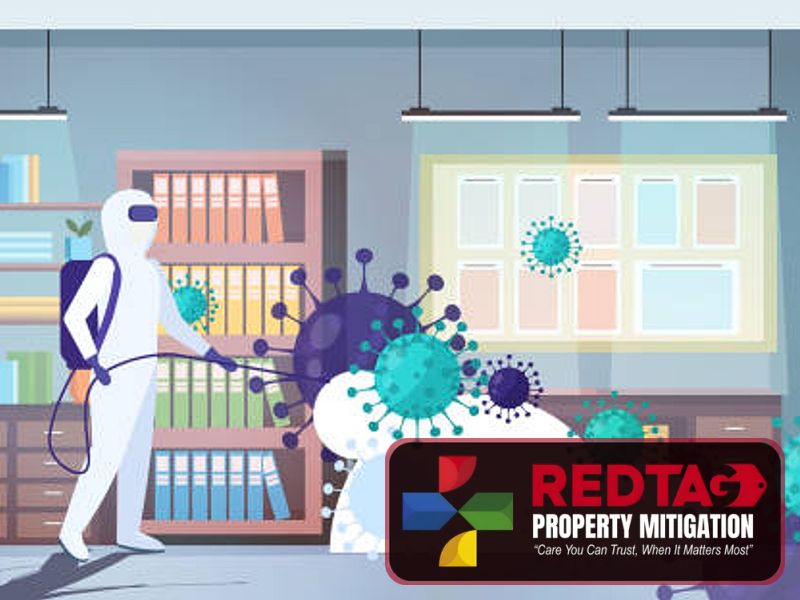
Post-extraction surface treatment is applied to all structural surfaces confirmed as wet immediately afterwater extraction and any required material removal have been completed. Treatment occurs before drying equipment is placed so that exposed framing, subfloor panels, and wall cavity surfaces are treated at maximum exposure. This reduces conditions that support microbial growth during the days of activestructural drying that follow extraction.
Framing and sole plate treatment addresses structural lumber inside wall assemblies exposed after drywall, insulation, and baseboards are removed duringflood cut operations. Wall studs, top plates, sole plates, and blocking absorb water readily and support mold if not treated promptly. Antimicrobial product is applied to all exposed framing following material removal and before air movers begin thestructural drying phase.
Subfloor and crawlspace treatment applies antimicrobial product to subfloor panels, floor joists, blocking, and crawlspace framing exposed to water during the loss event. These assemblies are often the most difficult to dry completely. Treatment inhibits microbial growth on wood surfaces during the extendedstructural drying period required to bring these materials to acceptablemoisture levels.
Wall cavity treatment is applied inside wall assemblies after drywall and insulation have been removed viaflood cuts. The interior faces of remaining drywall above the cut, framing members, and wall sheathing are all treated. Wherewall cavity drying is performed through injection hoses, antimicrobial product may be applied through the same access holes used for drying equipment.
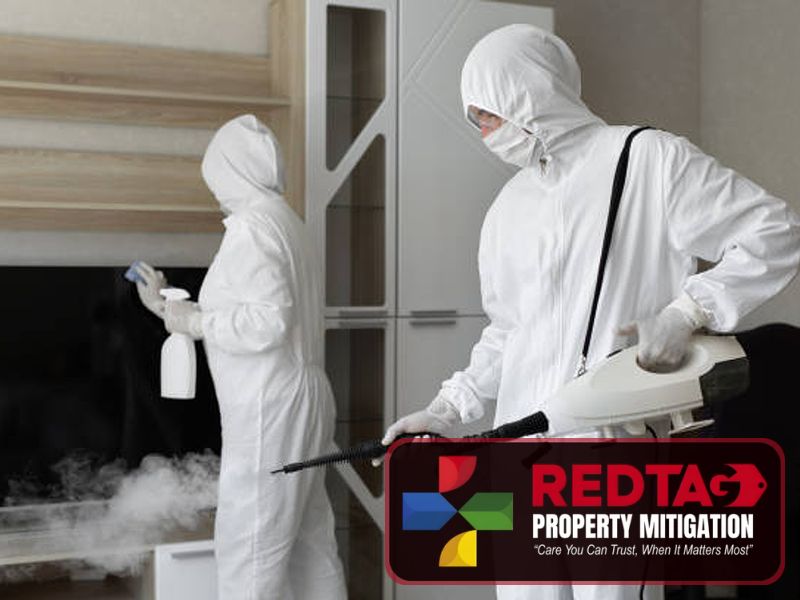
HVAC and ductwork surface treatment addresses metal and fibrous surfaces inside air handling systems exposed to water or elevated humidity during the loss. Water entering ductwork creates conditions for microbial growth that can spread spores throughout the building. Treatment of accessible HVAC surfaces is documented as part of the overall antimicrobial treatment record in theinsurance claim file.
Category 2 and 3 contamination treatment uses EPA-registered disinfectants appropriate for grey water or black water losses. Category 2 losses from appliances and Category 3 losses from sewage carry bacteria and pathogens requiring treatment beyond standard application. Product selection is based on the confirmed water category established during initialsite assessment and moisture mapping and documented throughout the treatment process.
Mold inhibition during active drying refers to the protective period during which treatment applied at the start of thestructural drying phase remains active on treated surfaces. Treatment inhibits microbial colonisation throughout the days required to bring all affected materials to acceptablemoisture levels confirmed by daily monitoring. It works alongside drying equipment to reduce mold risk during the open drying window.
Treatment documentation for insurance records the product name, EPA registration number, application method, coverage areas, and application date for all treatments applied during the project. This documentation is included in theproject file submitted to the insurance carrier and provides the evidence required for treatment line items in the Xactimate scope prepared for the commercial water damage claim.
Contact RedTag Property Mitigation for information about antimicrobial and antibacterial treatment services in Modesto. The team can confirm which treatment approach applies to a specific water loss situation.
Antimicrobial and antibacterial treatment in Modesto covers eight service areas. Each addresses a specific surface type, contamination category, or stage of the treatment process applied during commercial and residential water damage mitigation.
Antimicrobial and antibacterial treatment is a standard step in the water damage mitigation process applied after extraction and material removal. Exposed structural surfaces in an open drying environment are susceptible to microbial growth without treatment, regardless of how quickly active drying begins.
Treatment is applied immediately after material removal and before drying equipment is placed. This ensures all accessible framing, subfloor, and wall cavity surfaces receive coverage before airflow from drying equipment begins moving through the space during the active drying phase across the property.
The period between water extraction and verified drying completion carries the highest risk of microbial colonisation on wet structural surfaces. Treatment applied at the start of this window inhibits mold and bacterial growth on wood and organic surfaces throughout the days of active drying required to complete the project.
Treatment product selection is based on the confirmed water category from initial assessment. Category 1 losses receive standard antimicrobial treatment. Category 2 and 3 losses involving contaminants and pathogens require EPA-registered disinfectants appropriate for the contamination level confirmed in the structure at the time of the loss.
Antimicrobial treatment applied as part of structured mitigation aligns with IICRC S500 water damage and S520 mold remediation standards. Treatment documentation compiled during the project supports compliance with these standards and provides evidence to the insurance carrier that the mitigation process followed recognised industry procedures.
Product name, EPA registration number, application coverage, method, and date are documented for all applications throughout the project. These records are included in the insurance claim file and support treatment line items in the Xactimate scope prepared for the commercial water damage reconstruction estimate.
Contact RedTag Property Mitigation at(209) 424-8233 for information about antimicrobial treatment in Modesto. Questions about product selection, water category protocols, application coverage, and documentation can be answered before work begins.
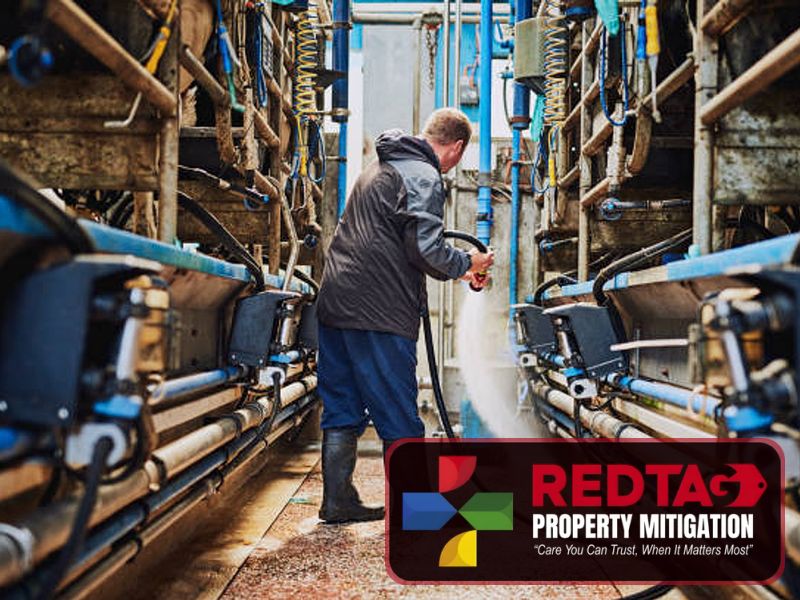
Before treatment product is selected, the water category from initial site assessment is confirmed. Category 1, 2, or 3 classification determines which EPA-registered products are appropriate for the contamination level present in the structure at the time of the loss across all affected areas of the property.
Antimicrobial treatment is applied after flood cuts, drywall removal, insulation removal, and all other required material removal have been completed. Full material removal first ensures all surfaces requiring treatment are accessible before application begins, preventing newly exposed surfaces from being missed after product is already applied.
Antimicrobial product is applied to all exposed framing, sole plates, subfloor panels, wall sheathing, and other structural surfaces confirmed as wet or exposed during mitigation. Spray equipment ensures even coverage across all accessible surfaces inside opened wall cavities and across subfloor and crawlspace assemblies throughout the property.
After application, coverage areas are reviewed to confirm all identified surfaces received treatment. Product name, EPA registration number, application method, coverage details, and application date are recorded in the treatment documentation in the project file. Photographs of treated surfaces are included in the package submitted to the insurance carrier.
Once antimicrobial treatment is applied and documented, commercial air movers and dehumidifiers are positioned throughout all affected areas to begin the structural drying phase. Treatment remains active on structural surfaces during the entire drying period, inhibiting microbial colonisation throughout the days required to bring all materials to acceptable moisture levels.
Antimicrobial and antibacterial treatment in Modesto is applied as a structured step within the broader water damage mitigation process. Treatment follows extraction and material removal and precedes active structural drying across all affected areas of the property.
This sequence ensures antimicrobial treatment is applied at the correct stage and documented accurately for insurance. Contact RedTag Property Mitigation to discuss a specific water loss situation in Modesto.
Antimicrobial and antibacterial treatment typically results in inhibited microbial growth during active drying, reduced mold remediation risk, documented treatment records for insurance, and structural surfaces prepared for the drying and reconstruction phases in Modesto.
The active drying phase following extraction and material removal presents the highest risk window for microbial colonisation on exposed structural surfaces. Treatment applied before drying equipment is placed inhibits mold and bacterial growth on framing, subfloor, and wall cavity surfaces throughout the days of active drying required.
Properties where antimicrobial treatment is applied promptly and documented thoroughly are significantly less likely to develop mold inside structural assemblies after the mitigation project closes. Preventing mold during mitigation avoids the need for mold remediation as a separate and additional service after reconstruction has begun.
Selecting treatment based on confirmed water category ensures the appropriate antimicrobial or disinfectant is used for the contamination level present. Category 3 losses involving sewage require stronger EPA-registered disinfectants than Category 1 clean water losses. Correct product selection protects occupants and supports insurance documentation.
Treatment records including product name, EPA registration number, and application coverage are required line items in commercial water damage insurance claims. Complete, accurate documentation reduces delays during adjuster review and supports treatment costs in the Xactimate scope prepared for the reconstruction estimate.
Treated structural surfaces enter the active drying phase with microbial inhibition in place, allowing drying to proceed without concurrent risk of mold colonising framing and subfloor materials. Treated and fully dried surfaces confirmed by final moisture readings provide the reconstruction contractor with clean, stable framing ready for new finishes.
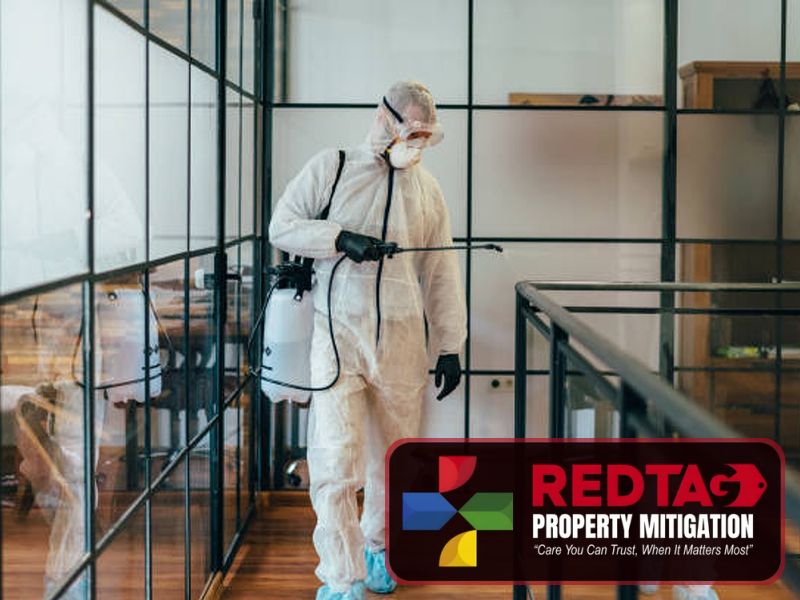
Contact RedTag Property Mitigation to discuss antimicrobial treatment options for a specific water loss in Modesto. Service requests are accepted throughout the Central Valley coverage area.
RedTag Property Mitigation handles antimicrobial and antibacterial treatment throughout Modesto from coordinates 37.6391 N, 120.9969 W in California. Coverage extends across the Central Valley metropolitan area and surrounding suburbs.
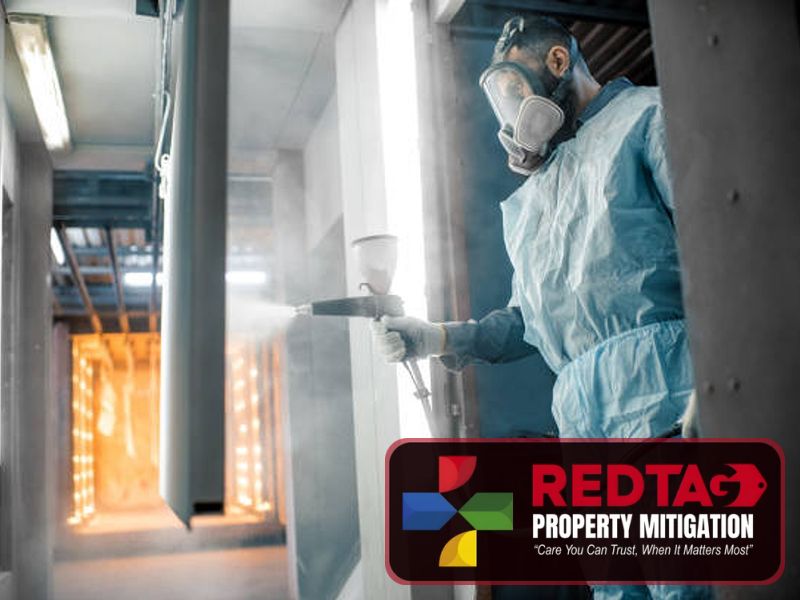
Coverage in Central Modesto includes commercial and residential properties across Downtown Modesto, Sylvan, Beyer Park, the College Area, Lakewood, Creekwood, Village One, and the Airport District throughout the central zone of the city.
Coverage extends north of Modesto into Salida, Riverdale Park, Ceres, Turlock, Denair, Keyes, and Hughson. This zone covers residential subdivisions, multifamily properties, and commercial buildings along the Highway 99 corridor through Stanislaus County north and south of the city.
Stockton and Tracy are covered as secondary service cities. Coverage extends across North Stockton, Lincoln Village, Sherwood Manor, Mountain House, Lathrop, and Manteca for commercial and residential water loss situations throughout the broader corridor between Modesto and Stockton.
Coverage extends along the Highway 99 corridor into Merced, Atwater, Livingston, Madera, Clovis, and Fresno. Commercial mitigation requests from property managers and building owners in these communities are handled by RedTag Property Mitigation throughout the Central Valley service area.
Select Bay Area locations including Hayward, Livermore, and Pleasanton are covered for commercial and large-loss projects. Patterson, Newman, and Los Banos in the broader Central Valley are also served within the wider service region.
Contact RedTag Property Mitigation to confirm antimicrobial treatment availability in specific Modesto locations. Coverage information is available for all suburbs listed throughout the Central Valley.
These questions address common concerns about antimicrobial and antibacterial treatment in Modesto. Answers cover when treatment is applied, what products are used, and how the process is documented for insurance.
Treatment is applied after water extraction and material removal are complete and before drying equipment is placed. This ensures all exposed structural surfaces are treated at maximum exposure before airflow from drying equipment moves through the space.
Exposed framing, sole plates, subfloor panels, wall sheathing, and other structural surfaces confirmed as wet or exposed during mitigation receive treatment. Coverage is verified after application and documented in the project file submitted to the insurance carrier.
Yes. Category 1 clean water losses receive standard antimicrobial treatment. Category 2 and 3 losses involving contaminants and pathogens require EPA-registered disinfectants appropriate for the confirmed contamination level present in the structure.

Treatment inhibits microbial growth on treated surfaces during active drying. It reduces mold development risk significantly when combined with thorough structural drying verified by daily moisture readings across all affected assemblies of the property.
Most commercial property insurance policies cover antimicrobial treatment as part of water damage mitigation. Treatment documentation including product name, EPA number, and application coverage supports the insurance claim and adjuster review process.
Product name, EPA registration number, application method, coverage areas, and application date are recorded for every application. Documentation is included in the project file and submitted to the insurance carrier as part of the complete mitigation record.
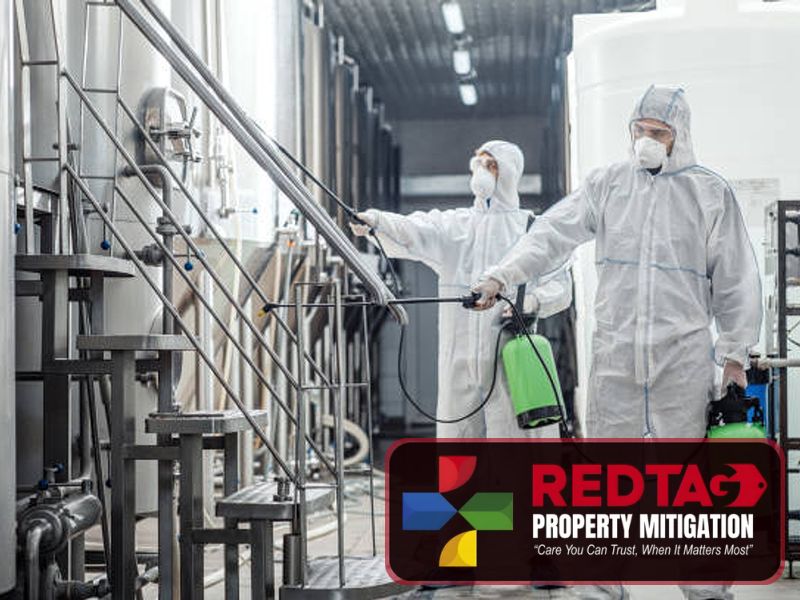
Contact RedTag Property Mitigation for additional questions about antimicrobial treatment in Modesto. The team can provide information about product selection, coverage, documentation, and service availability throughout the Central Valley.
RedTag Property Mitigation handles antimicrobial and antibacterial treatment requests throughout Modesto and the surrounding Central Valley. Coverage includes post-extraction surface treatment, framing and subfloor treatment, and complete insurance documentation across all areas listed above.
Contact RedTag Property Mitigation for information about antimicrobial treatment in Modesto. Questions about product selection, water categories, application coverage, and documentation can be answered. Call(209) 424-8233 for 24/7 emergency dispatch throughout all listed coverage areas.