
Water damage, fire and smoke, mold, storm events, contents losses, and biohazard situations each require a different mitigation response. The questions below cover all six service areas, addressing what the work involves, how long it takes, what documentation is produced for the insurance claim, and what to expect at each stage of the process. Answers are written for property owners, property managers, and insurance professionals dealing with active or recent losses at commercial and residential properties in Modesto, CA and the Central Valley. For questions not answered here, request a quote and the team will respond quickly to discuss a specific property situation in Modesto.
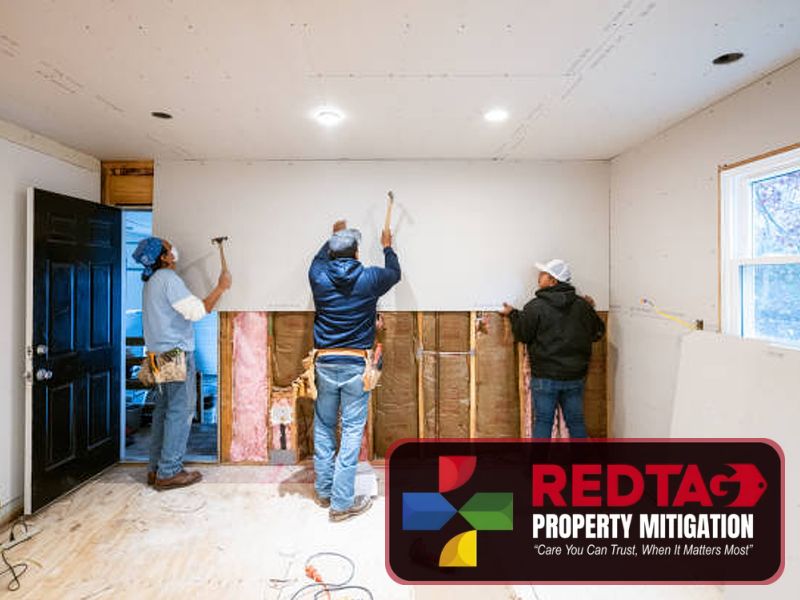
Stop the water source if accessible, then call888-RED-1-TAG immediately. Avoid electrical equipment in wet areas. Do not attempt to dry the space yourself. Professionalemergency water extraction within hours significantly limits structural damage and reduces the overall drying timeline.
Structural drying for a contained water loss typically takes three to five days. Larger losses, losses inside wall cavities, or situations with delayed response take longer. Daily moisture monitoring confirms drying progress. Equipment is removed only when target moisture values are reached and verified.
Moisture mapping and thermal imaging identifies hidden moisture inside structural assemblies that is not visible on the surface. Thermal imaging shows temperature variations caused by trapped moisture behind drywall and under flooring. Assessment on the first visit establishes the full extent of the affected area before drying begins.
Water damage insurance documentation includes daily drying logs with moisture readings, moisture mapping records, equipment placement records, and photo documentation organized by area and phase. Scope records are prepared in Xactimate-compatible format so adjusters can review each line item against the physical project evidence.
The first steps after a fire areemergency board-up and weather protection to secure the structure against further exposure. Open walls and roof penetrations allow weather and vandalism damage to compound the fire loss. Board-up is typically completed on the same day as the initial assessment following a fire.
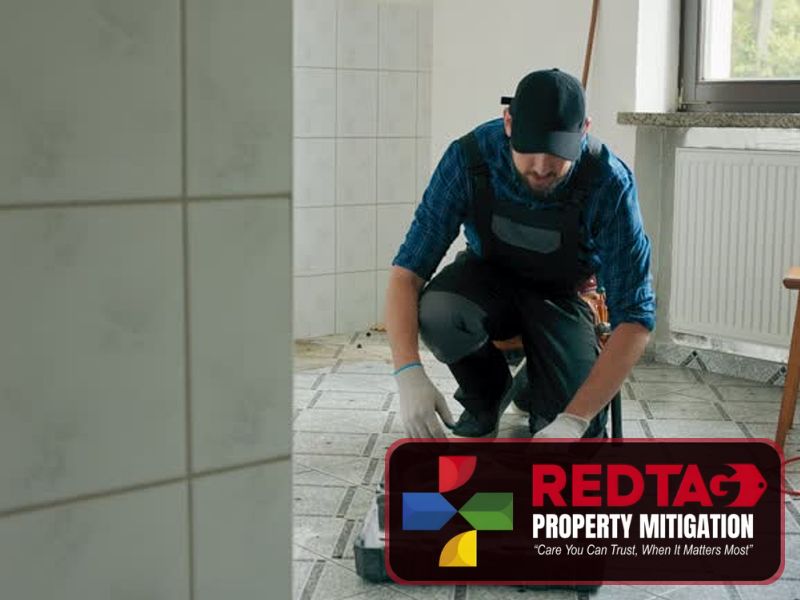
Smoke and soot cleaning removes residue from surfaces using methods matched to the specific surface type and soot composition. Not all smoke-affected materials require replacement. An assessment identifies which surfaces can be cleaned and which have damage beyond what cleaning can address before the scope is confirmed.
Odor control and thermal fogging neutralizes smoke odor compounds that penetrate porous surfaces and structural cavities. Surface cleaning alone does not remove embedded odor. Thermal fogging reaches areas that physical cleaning cannot access and is applied after structural cleaning as part of the pre-reconstruction preparation scope.
Visible mold growth larger than a small isolated area, musty odor without a visible source, or a history of water damage that was not fully dried are all indicators that professional assessment is needed.Mold mitigation support begins with an assessment to confirm the extent and cause before any remediation work is scoped.
Mold containment barriers and engineering controls prevent mold spores from spreading to unaffected areas of the building during the removal process. Disturbing mold without proper containment disperses spores through the air and ventilation system. Containment is established and verified before any affected material is removed.
Negative air pressure systems draw air out of the containment zone and exhaust it through HEPA filtration, preventing spores from migrating into the rest of the building. The pressure differential ensures that any air movement flows into the containment rather than out of it during active removal work.
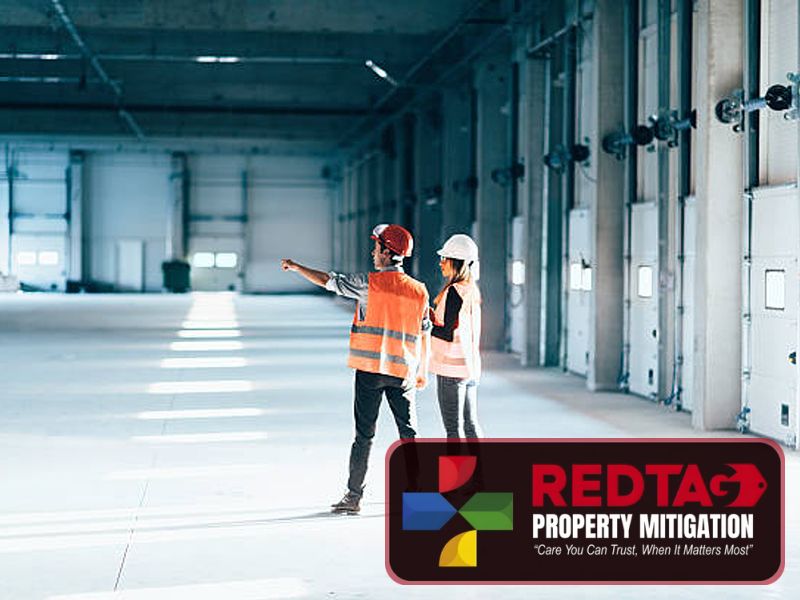
Aftermold-affected material removal, the remediation zone undergoesHEPA air scrubbing to reduce airborne spore counts. The area is then assessed forpost-remediation clearance preparation. Clearance confirms that spore levels meet the required standard before containment is removed and the area is returned to use.
Emergency roof tarping is applied when storm damage creates openings in the roof that expose the structure to ongoing weather intrusion. A professional tarp installation prevents rain from entering and causing secondary water damage while permanent repairs are arranged. Tarping is typically applied the same day as the storm damage assessment.
Temporary shoring and structural stabilization involves installing temporary supports to stabilize compromised structural elements such as damaged load-bearing walls, weakened roof framing, or partially collapsed sections. Shoring prevents further movement or collapse while the insurance assessment and repair planning are completed.
Property loss prevention and stabilization covers all measures taken to stop damage from spreading beyond what the storm caused. This includes tarping, board-up, debris removal, and drainage management. Actions taken promptly after the event limit the total loss and support the insurance claim by demonstrating that reasonable steps were taken.
Contents pack-out is the removal of personal property, furnishings, and business assets from the affected property to allow mitigation work to proceed safely. Pack-out occurs at the start of the mitigation project. Each item is handled carefully and adigital inventory with photographs is created at the time of removal.
Digital inventory and insurance documentation records every packed item with a photograph and condition note at the time it is removed from the property. The inventory is structured to support the contents valuation process. Adjusters and property owners can access the inventory record at any point during the storage period.
Secure contents storage holds packed items in a controlled facility throughout the mitigation and reconstruction period. Storage duration depends on the project timeline. Items are returned to the restored property under a verified return process that confirms each item is returned in the condition it was stored and recorded.
Biohazard and trauma scene cleaning is required for unattended deaths, trauma events, sewage backups with Category 3 contamination, hoarding situations with biological material, and any situation involving blood or bodily fluids. These situations require licensed disposal of biohazardous waste and documented decontamination to California regulatory standards.
Biohazard containment is established before any removal work begins. Biological material is removed and disposed of under a compliant chain-of-custody manifest.Disinfection is applied using EPA-registered products at confirmed dwell times.Decontamination verification confirms the area meets the required standard before the space is returned to use.
Biohazard compliance documentation includes the biohazardous waste disposal manifest confirming compliant licensed facility disposal, disinfection product records with EPA registration numbers and dwell times, and decontamination verification. These records satisfy California regulatory requirements and provide insurance carriers with evidence of compliant professional remediation.
Request a quote and RedTag Property Mitigation will respond quickly to questions not covered above. Information about any mitigation service type, the process, insurance documentation, certifications, and coverage for specific property situations in Modesto and the Central Valley can all be answered.
Quick Find: All Services
Emergency Water Extraction · Structural Drying · Moisture Mapping & Thermal Imaging · Flood Cuts & Drywall Removal · Antimicrobial Treatment · Water Damage Insurance Documentation · Emergency Board Up · Fire Damaged Material Removal · Smoke & Soot Cleaning · Odor Control & Thermal Fogging · Structural Stabilization · Pre Reconstruction Preparation · Mold Containment Barriers · Negative Air Pressure Systems · HEPA Air Scrubbing · Mold Affected Material Removal · Post Remediation Clearance · Emergency Roof Tarping · Storm Board Up · Temporary Shoring · Emergency Debris Removal · Property Loss Prevention · Contents Pack Out · Digital Inventory & Documentation · Secure Contents Storage · Biohazard Containment · Trauma Scene Disinfection · Biohazard Documentation · Storm Debris Removal · Fire Debris Removal · Construction Debris Removal · Renovation Debris Removal · Residential Junk Removal · Emergency 24/7 Junk Removal · Commercial Junk Removal · Property Management Junk Removal · Post Mitigation Debris Hauling · Outdoor & Yard Debris Removal